Bakit Maraming Pinoy Gamers ang Nag-Switch from DOTA to Valorant? A Deep Dive

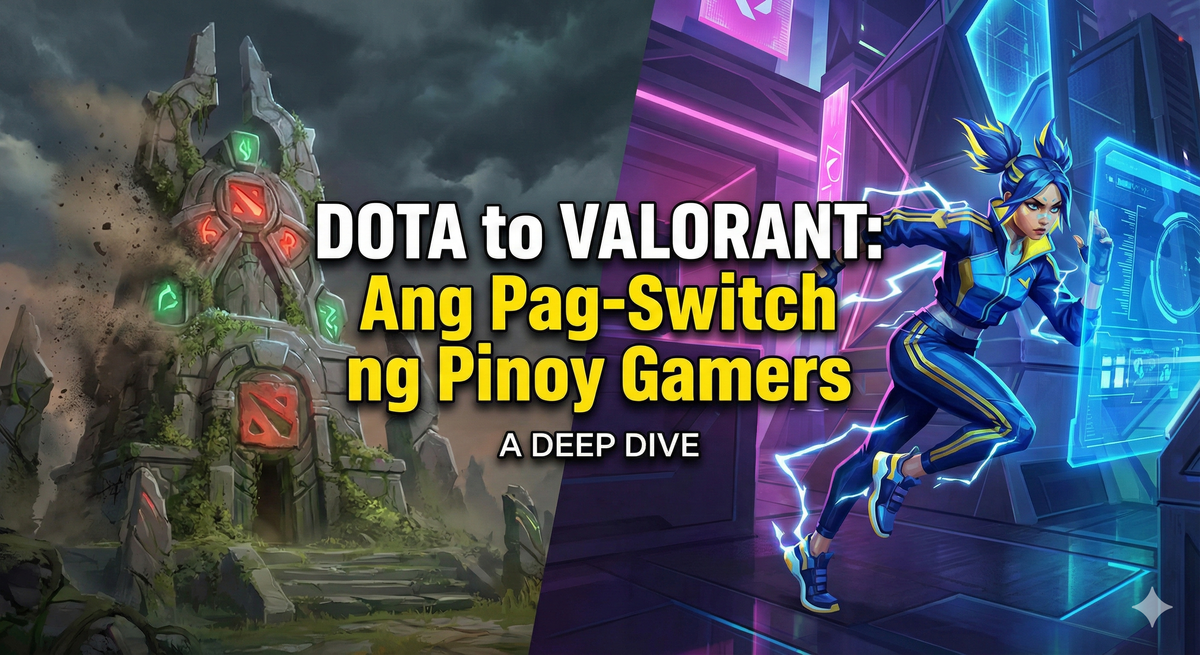
Alam mo yung feeling na naglalakad ka sa mga computer shops ngayon, tapos instead na marinig mo yung iconic na "Lakad Matatag" or "322", ang maririnig mo na ay "Spike planted" at "Nice ace, pre"? Hindi ka nag-iisa sa pagkapansin niyan.
If you've been part of the Filipino gaming community for the past few years, impossible na hindi mo napansin ang massive shift from DOTA 2 to Valorant. Yung mga dati mong ka-party sa ranked games, nag-installers na ngayon ng Riot Vanguard. Pero bakit nga ba? Let's break it down.
Ang Simula ng Lahat: DOTA's Golden Era sa Pinas
Hindi natin pwedeng pag-usapan ang shift na 'to without acknowledging kung gaano ka-iconic ang DOTA sa Philippine gaming culture. We're talking about years—dekada nga siguro—ng dominance.
Remember the glory days ng DOTA 1 sa mga LAN shops? Yung nag-aaral ka pa nun, tapos after class, diretso agad kayo sa "kompyuter" para mag-5v5. Yung tipong kailangan mo pa mag-save ng replays sa USB kasi wala pang automatic replay system. Good times.
Fast forward to DOTA 2, and the Philippines became one of the game's strongest regions. We had world-class teams, passionate fans, at yung TI viewing parties na parang rock concerts. DOTA wasn't just a game—it was part of our identity as gamers.
Enter Valorant: Perfect Storm sa Perfect Timing
Nang mag-launch ang Valorant noong 2020, maraming skeptics. "Another CS:GO clone lang yan," sabi ng iba. "Cartoonish masyado," komento ng iba. Pero Riot Games knew exactly what they were doing, lalo na sa Asian markets.
Lower Barrier to Entry
Let's be real—DOTA 2 is intimidatingly complex. May 120+ heroes, each with unique abilities, items, timings, map awareness, last-hitting, denying, stacking, pulling... the list goes on. For new players, it's overwhelming. Yung learning curve niya parang nag-aaral ka ng rocket science.
Valorant? Mas straightforward. Yes, may abilities din, but the core gameplay is simple: shoot enemies, plant or defuse the spike, win rounds. You can be competitive after just a few weeks of playing. Sa DOTA? Baka months ka pa bago mo maintindihan lahat ng basics.
Mas Mabilis ang Games
Average DOTA match? 40-50 minutes, minsan umaabot pa ng 1 hour kapag late game. Valorant? 30-40 minutes tops, usually mas mababa pa. For working professionals and students with limited time, that's a huge factor.
Imagine this: you have a one-hour lunch break. Sa Valorant, kaya mong maglaro ng one full competitive game. Sa DOTA? Baka hindi ka pa maka-finish, tapos na lunch break mo, balik ka na sa work or klase mo.
Individual Performance vs. Team Dependence
One of the most frustrating things sa DOTA: you can play perfectly, pero kung yung teammates mo ay nag-throw or toxic, wala kang magagawa. You're stuck sa isang game for 40+ minutes watching everything fall apart.
Sa Valorant, while team coordination is still important, there's more room for individual outplays. One player having a good day can clutch rounds and carry the team. That sense of agency—na you can make a difference even with subpar teammates—is refreshing.
The Content Creator Effect
Hindi natin pwedeng i-downplay ang impact ng content creators at streamers sa shift na 'to. When your favorite Filipino streamers and YouTubers started pivoting to Valorant content, their audiences followed.
Personalities like Alodia Gosiengfiao, Dogie, and other gaming influencers jumped on the Valorant train early. Their gameplay, tutorials, and entertaining content made the game more accessible and exciting for their followers.
Plus, Valorant is just more stream-friendly. Faster-paced action, flashier plays, and shorter games mean more highlight-reel moments. It's optimized for the TikTok, YouTube Shorts era of content consumption.
Riot's Investment sa Filipino Market
Riot Games didn't just drop Valorant and hope for the best. They actively invested in the Philippine market:
VCT (Valorant Champions Tour) with Filipino representation
Local servers for better ping and connection
Community events and tournaments with prize pools
Partnerships with local brands and organizations
Regular updates and agent releases that keep the game fresh
Compare that to Valve's approach with DOTA 2. While they support the competitive scene through TI and the DPC, their direct engagement with regional communities feels less personal and consistent.
The Free-to-Play Model Done Right
Both games are free-to-play, but Valorant's monetization feels more appealing to the younger demographic. Yung skins sa Valorant—especially yung premium collections like Prime, Reaver, or Champions—are status symbols. They're flashy, animated, and feel premium.
DOTA has amazing skins and cosmetics too, pero ang system niya with treasures, levels, and Battle Pass can feel complicated and grindy. Valorant's straightforward shop and Battle Pass system is just easier to navigate.
Ang Reality: It's Not Really a Full Exodus
Here's the thing though—hindi naman totally namatay ang DOTA 2 community sa Pilipinas. May dedicated players pa rin na refuse to quit. May mga professional teams pa rin tayo, may tournaments pa rin, at may passionate fans pa rin.
What happened is more nuanced. Maraming players ay nag-diversify. They play both games, depending on their mood, time availability, or kung sino ang available sa barkada. Some switched completely, but many just expanded their gaming portfolio.
The computer shop culture also evolved. Where before, most PCs were running DOTA 2, ngayon mas diverse na. May Valorant, League of Legends, Mobile Legends, even Genshin Impact sa ibang stations.
The Social Aspect: Gaming as Bonding
At the end of the day, gaming sa Pilipinas has always been about community. Whether it's DOTA or Valorant, ang essence stays the same: bonding with your friends, making new ones, and sharing experiences.
Valorant made it easier for newer players to join the fold. Your girlfriend who never tried competitive gaming? She might give Valorant a shot. Your younger sibling who found DOTA too complicated? Valorant is perfect for them.
It's inclusive without being patronizing. It's competitive without being gatekeeping. And that's powerful.
Looking Forward: What's Next?
The gaming landscape will continue to evolve. Baka next year, may bagong game na naman that captures everyone's attention. Ganun talaga.
But what makes the Filipino gaming community special is our adaptability. We don't just follow trends blindly—we embrace what works for us, what brings us together, and what fits our lifestyle.
Whether you're Team DOTA or Team Valorant (or both), the real win here is that we have incredible gaming communities that continue to thrive. We're not just consumers; we're part of something bigger—a culture, a movement, a shared passion.
Final Thoughts
So bakit nga ba maraming Pinoy gamers ang nag-switch from DOTA to Valorant? It's a combination of accessibility, timing, investment from developers, lifestyle compatibility, and the natural evolution of gaming preferences.
DOTA 2 will always hold a special place in Philippine gaming history. It's where many of us learned about competitive gaming, teamwork, and the thrill of victory. But Valorant represents something new—a fresh start, easier entry, and a different kind of competitive experience.
And honestly? There's room for both. You don't have to choose sides. Play what makes you happy, what fits your schedule, and most importantly, what lets you connect with your friends.
Game on, mga pre.
What's your take on this shift? Are you still grinding DOTA 2, or have you fully embraced Valorant? Drop a comment and let's discuss!
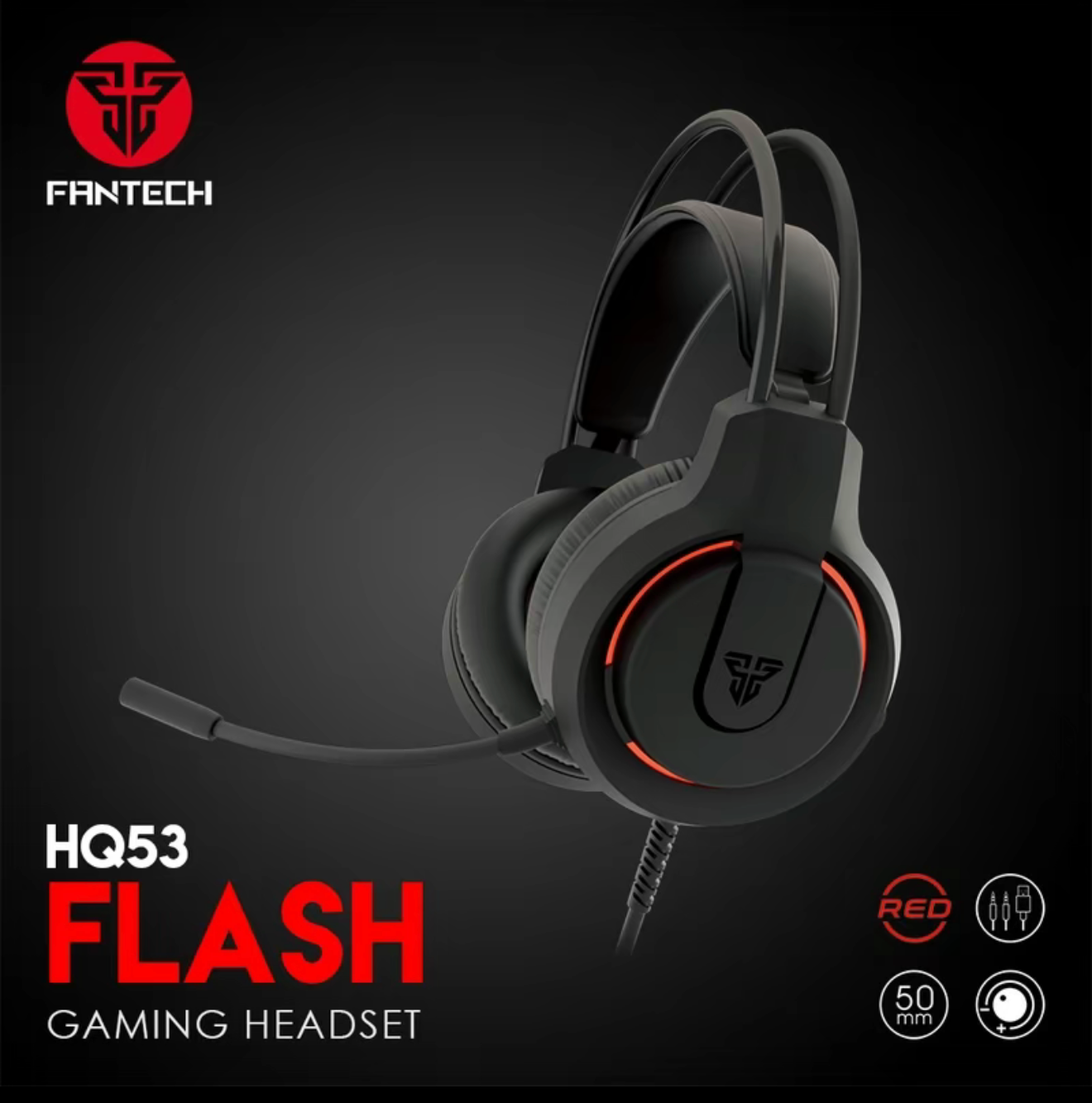
Speaking of competitive gaming, having the right gear matters. Check out these gaming that can give you an edge. Affordable yet competitive.
https://vt.tiktok.com/ZSHTKVYEh9sqD-y2ryJ/