
From Jollibee to Michelin: Why Filipino Cuisine Deserves More Global Recognition

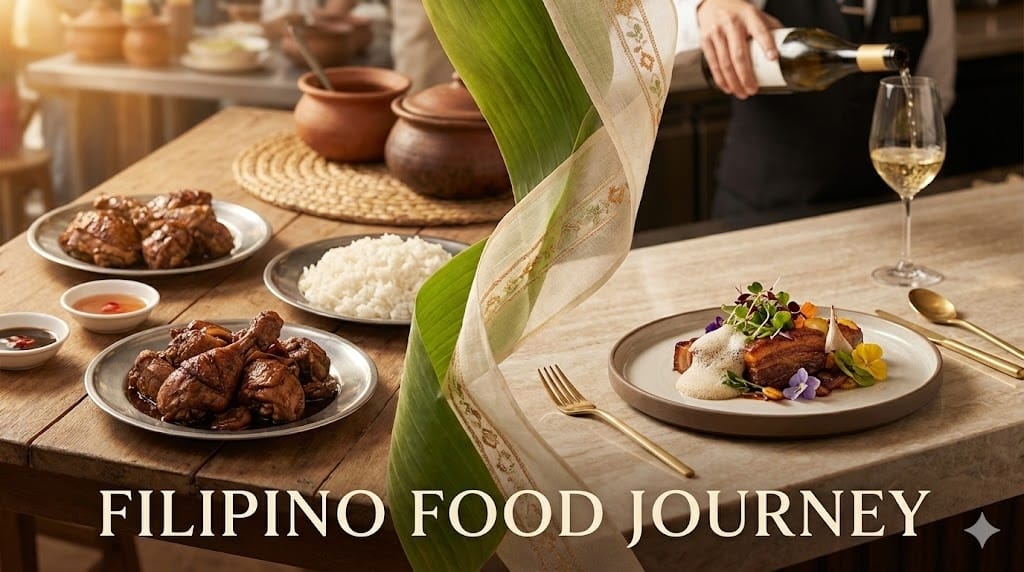
Alam mo yung feeling na nag-travel ka abroad, tapos after a week, yung tanging hiling mo na lang sa buhay ay isang mainit na kanin with tuyo? Or yung sabaw ng sinigang na parang yakap ng nanay mo pagkatapos ng isang mahaba't mahabang araw? That's the power of Filipino food, pare. Hindi lang siya pagkain—it's home, it's identity, it's us.
Pero here's the thing: habang yung Thai food, Japanese ramen, at Korean BBQ ay nag-dominate na sa international food scene, bakit parang ang Filipino cuisine ay nananatiling underdog? Bakit tayo pa rin yung "best kept secret" ng Asia, when in reality, we should be sitting at the damn table with the big boys?
Let's talk about it.
The Jollibee Phenomenon: Proof Na Kaya Natin
Before we dive deep, let's address the elephant—or should I say, bee—in the room: Jollibee.
Love it or hate it (pero real talk, sino ba naman ang hater ng Chickenjoy?), Jollibee is proof na Filipino flavors can compete globally. From Daly City to Dubai, from London to New York, you'll see long lines of Filipinos and non-Filipinos alike waiting for that sweet spaghetti and perfectly fried chicken.
But here's what's interesting: Jollibee isn't just surviving abroad—it's thriving. Yung ibang branches, mas mahaba pa pila kaysa sa McDonald's. That tells us something important: people are hungry for what we have to offer. Pun intended.
Pero if a fast-food chain can do it, imagine what our real, authentic, heritage-rich cuisine can achieve on the world stage?
Bakit Ba Tayo Na-Overlook?
Let's be real for a second. There are reasons why Filipino food hasn't gotten the spotlight it deserves:
1. The Colonial Hangover
For the longest time, tayo mismo ang may colonial mentality pagdating sa food. We glorify foreign cuisines while treating our own dishes as "bahay lang" or "para sa probinsya lang." Nakakahiya raw dalhin sa potluck ang tuyo at itlog na pula, pero pag California roll or pasta carbonara, G na G tayo.
2. Presentation Issues
Let's admit it—yung itsura ng authentic Filipino food doesn't always scream "Instagram-worthy." Yung dinuguan? Black. Yung kare-kare? Brown. Yung laing? Dark green. Sa mundo ng "eat with your eyes first," talo agad tayo sa visuals. Pero taste-wise? Putang gina, world-class.
3. The Complexity of Flavors
Filipino food is layered. Hindi siya one-note. You've got sour, sweet, salty, savory, and umami all dancing in one dish. Take sinigang for example—may asim, may alat, may linamnam ng karne or seafood, tapos may tamis pa ng gabi or kangkong. That's sophisticated cooking, pero hindi siya as "easy to understand" as ramen or tacos for Western palates.
4. Lack of Fine Dining Representation
For years, walang masyadong Filipino restaurants na nag-aim for Michelin stars or high-end dining. We were stuck sa turo-turo and carinderia image—which is authentic and beautiful in its own right—pero walang nag-push ng boundaries to show na Filipino food can be elevated.
But Times Are Changing, Bro
Here's the good news: we're having our moment.
The Rise of Modern Filipino Cuisine
Chefs like Margarita Forés, JP Anglo, and Josh Boutwood are putting Filipino flavors on the map. They're taking traditional dishes and presenting them in ways that are both respectful to tradition and exciting to modern palates.
Sisig? Elevated with quail egg and garlic chips.
Lechon? Served with apple compote and microgreens.
Kinilaw? Transformed into fine dining ceviche with local citrus.
These aren't gimmicks—they're proof that our cuisine has always been sophisticated. Kailangan lang ng tamang platform.
Filipino Restaurants Making Waves Internationally
- Bad Saint in Washington D.C. was named one of Bon Appétit's Best New Restaurants
- Lasa in Los Angeles is getting rave reviews for its modern Filipino tasting menus
- Kasama in Chicago earned a Michelin star in 2022—the first Filipino restaurant ever to achieve this
Bro, Michelin star. Let that sink in.
The Netflix Effect
Documentaries and food shows on Netflix like Street Food: Asia have given Filipino dishes like sisig and kwek-kwek a global audience. Suddenly, people from all over the world are curious about our food culture. They want to know more. They want to taste it.
What Makes Filipino Cuisine Special?
So what exactly do we bring to the table? Bakit tayo dapat maging proud?
1. A Melting Pot of Influences
Our cuisine is literally a history lesson on a plate. You've got Spanish influences (adobo, afritada, menudo), Chinese techniques (pancit, lumpia, siopao), Malay ingredients (coconut milk, seafood, spices), and American touches (burgers, fried chicken, hot dogs sa spaghetti).
But we didn't just copy—we made everything uniquely ours. Yung Filipino adobo is different from Spanish adobo. Yung pancit natin has its own character. We're the ultimate fusion cuisine before "fusion" became trendy.
2. Ingredient-Driven and Sustainable
We use everything. From nose to tail, from leaf to root. Dinuguan uses blood. Sisig uses pig face. Papaitan uses bile. Nothing goes to waste. This isn't just clever cooking—it's sustainable, ethical, and frankly, ahead of its time.
Plus, we have ingredients that are hard to find elsewhere: calamansi, pandan, ube, kamias, tamarind, green mango, coconut in every form. These are unique flavor bombs that can't be replicated.
3. Comfort Food That Hits Different
There's something about Filipino food that's deeply comforting. Yung sabaw ng nilaga na parang nag-heal ng flu mo. Yung crunch ng bagnet that makes all your problems disappear for a moment. Yung sweetness ng leche flan na parang reward after a hard day.
Other cuisines have comfort food, sure. Pero yung atin? It hits different because it's tied to memories, to family, to Sundays with the whole tropa.
4. Communal Eating Culture
We eat boodle fight style—damay-damay. Walang pretentions, walang hierarchy. Food is meant to be shared, enjoyed together, with your hands. That's a beautiful food culture that the world needs right now, especially in these isolating times.
What Needs to Happen Next?
Okay, so we've established na deserve natin ng recognition. But what's stopping us from getting there? And more importantly, what can we do?
1. Tell Our Food Stories Better
Every dish has a story. Adobo isn't just meat in sauce—it's a preservation technique from pre-refrigeration days. Kare-kare isn't just peanut stew—it's Pampanga's pride with roots in trade and adaptation.
We need to tell these stories. Hindi yung puro "masarap yan, tikman mo" lang. Give context. Give history. Make people understand the why behind the what.
2. Support Filipino Restaurants
Whether it's a carinderia sa Makati or a fine dining spot sa BGC, support them. Post about them. Recommend them. Because every time we choose Filipino over foreign, we're voting with our wallets.
And when you travel abroad, go to Filipino restaurants. Support our kababayans trying to put our food on the map internationally.
3. Cook and Share Our Food
You know how Italians are proud of pasta? Mexicans of tacos? Koreans of kimchi? Tayo din dapat ganun.
Cook Filipino food at home. Bring it to potlucks. Don't be shy about it. When your foreign friends visit, cook them sinigang, serve them sisig, introduce them to halo-halo. Be an ambassador.
4. Respect Tradition While Embracing Innovation
Innovation is good—it shows that our cuisine is alive and evolving. But let's not forget our roots. Yung lola's recipe, yung street food culture, yung probinsya cooking—these are treasures that need to be preserved even as we create new iterations.
The Bottom Line
Filipino cuisine isn't just "underrated"—it's world-class. From the crispy skin of lechon to the sour warmth of sinigang, from the funky complexity of bagoong to the sweet nostalgia of bibingka, our food deserves to be celebrated globally.
We've got the flavors. We've got the stories. We've got the passion.
Ngayon, we just need the confidence to claim our seat at the table.
So the next time someone asks you about Filipino food, wag kang mag-hesitate. Tell them proudly: "Bro, it's one of the best cuisines in the world. Hindi mo pa natikman? You're missing out."
Because you know what? You're not exaggerating. You're just telling the truth.
Kain tayo.